


Comprehensive Financial Planning and Wealth Management for Individuals, Families, and Business Owners
For many people, financial complexity builds gradually. A business. A home. Retirement accounts from multiple employers. A pension decision approaching. Over time, these pieces accumulate and are often managed separately, with no clear view of how they work together.
At Opal Wealth Advisors, we help individuals, families, and business owners bring every piece of their financial life together. Retirement planning, investment management, tax-aware strategies, estate planning coordination, and business succession planning are reviewed as part of one comprehensive financial strategy.
If you’re looking for greater clarity and coordination, we’d welcome the conversation.
What Comprehensive Financial Planning Means
There is a significant difference between having investments managed and having a financial plan.
Many people have retirement accounts, pensions, real estate, business interests, estate documents, and tax considerations that are all being handled separately. Important decisions are made every year without understanding how they affect the rest of the financial picture.
Comprehensive financial planning is about connecting those decisions.
We help clients evaluate how investment decisions affect taxes, how retirement income strategies support long-term goals, how estate plans align with family wishes, and how business or real estate assets fit into an overall financial strategy.
Because every financial decision affects another, we work closely with your CPA, estate attorney, and other trusted professionals to help ensure all parts of your financial life are working toward the same objectives.

Business Ownership and Financial Strategy
For many Suffolk County business owners, the company represents far more than a source of income. It is often their largest asset and a key part of their long-term financial future.
As a result, decisions about compensation, growth, investment, and ownership can have a direct impact on retirement planning, tax strategy, estate considerations, and overall wealth accumulation.
The challenge is that business and personal finances rarely exist in isolation. Decisions made in one area often affect opportunities and outcomes in others.
Opal Wealth Advisors helps business owners view those decisions through a broader lens, creating a coordinated strategy that aligns business success with personal financial goals.
Business Succession and Your Financial Future
Succession planning is one of the most important financial conversations a business owner can have, and one of the most frequently delayed.
Whether the future involves a family transition, a sale to key employees, or an outside buyer, the implications extend well beyond the business itself. Retirement income, tax considerations, and estate planning all play an important role.
We work alongside your legal and tax professionals to help ensure these conversations become part of a broader financial strategy long before a transition takes place.
Planning for Retirement
Retirement planning often involves more than deciding when to stop working.
Many families are coordinating pensions, Social Security, retirement accounts accumulated over multiple careers, business interests, and real estate holdings. The timing of withdrawals, pension elections, tax strategies, and income planning decisions can all influence long-term outcomes.
Our role is to help organize those moving parts into a coordinated strategy that aligns with your goals and evolves as circumstances change.
Inherited Retirement Accounts and the SECURE Act
The SECURE Act changed how many inherited retirement accounts are distributed and introduced new planning considerations for account owners and beneficiaries.
For families who expect retirement accounts to be an important part of their legacy, understanding these rules can be an important component of both retirement and estate planning. We work alongside clients and their estate planning professionals to help ensure these considerations are incorporated into the broader strategy.

How Opal Wealth Advisors Works with Individuals Across Suffolk County
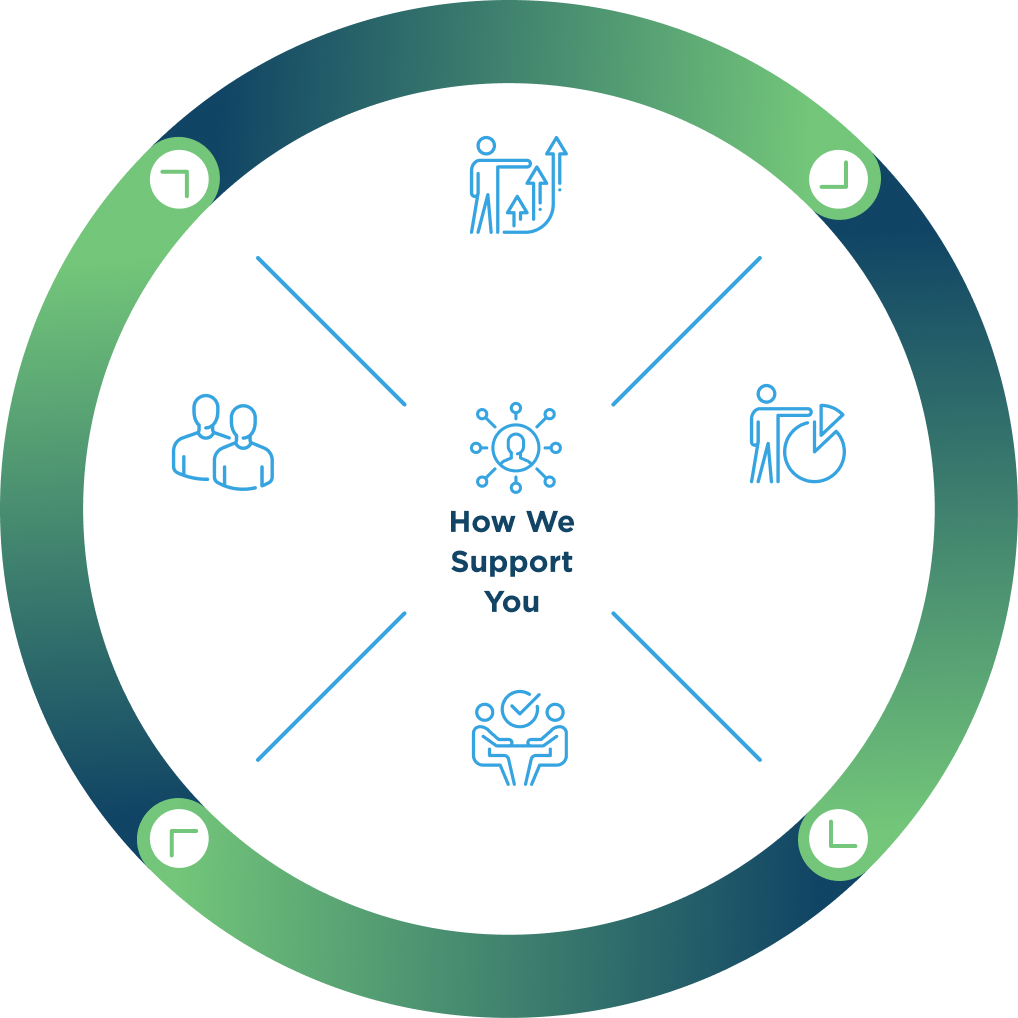
Our planning process, which we call The Opal Way, begins with one question: what is your wealth meant to accomplish? Before investment strategies are discussed or any recommendations are made, we want to understand your full financial picture and your goals. From there we build a plan that connects your investments, retirement income, tax situation, estate considerations, and any business planning dimensions into a single coordinated strategy.
For Suffolk County clients, we offer both in-person meetings at our Jericho, NY office and virtual appointments. Many of our client relationships across Suffolk County operate primarily through a combination of both formats depending on what works best at each stage of the relationship.
Frequently Asked Questions from Suffolk County Clients
I have owned a business in Suffolk County for decades and most of my wealth is tied up in it. How do I start thinking about what comes next?
This is one of the most important planning conversations a Suffolk County business owner can have, and it is one that tends to be deferred longer than it should be. When the majority of your net worth is concentrated in a single privately held business, several planning questions become interconnected: what is the business actually worth today, what does a transition look like whether through a family transfer, a sale to key employees, or an outside buyer, and how does the outcome of that transition translate into the retirement income you need. The financial planning dimensions of that conversation involve your retirement picture, your estate structure, and your tax exposure working together rather than in isolation. We do not replace your attorney or your accountant in this process. We work alongside them on the financial planning side so the full picture is coordinated.
My spouse and I both have pensions from public sector jobs in Suffolk County along with IRAs and a rental property. How should we be thinking about retirement income?
A retirement income picture that includes public sector pensions, IRAs, and real estate income is more layered than most planning templates are designed to handle, and the sequencing of those sources matters considerably. Pension elections are generally irrevocable once made, so understanding how each option interacts with your other income sources before you file is an important part of the process. Social Security timing, how IRA withdrawals are structured relative to required minimum distributions, and how rental income fits into the overall tax picture are all variables that benefit from being looked at together rather than as separate decisions. At Opal Wealth Advisors, our planning process is designed to map the full picture so those decisions are made with a clear understanding of how each one affects the others.
We have a home in Suffolk County and a property on the East End. How does holding two significant properties affect our financial and estate plan?
Holding two properties of meaningful value introduces planning considerations that a purely investment-focused advisory relationship often is not structured to address. On the estate side, how those properties are titled, whether they are held in trusts or individually, and how they fit into your overall asset distribution can affect both estate tax exposure under New York State rules and how smoothly your heirs settle the estate. On the retirement side, real estate is illiquid, so understanding how much of your net worth is concentrated in property versus income-producing assets matters for planning. These are regular conversations with our clients across Suffolk County and the East End, and they involve coordinating with your estate attorney and CPA alongside the financial planning work.
I have been accumulating retirement accounts at several different employers across Suffolk County over the years and no one has ever looked at them together. Where does that process start?
Accounts accumulated across multiple employers over a career is a situation many people find themselves in, and it is worth addressing deliberately rather than letting the accounts continue to accumulate in isolation. The starting point is an inventory: what each account holds, how it is invested relative to your overall picture, what fees are being paid, how the accounts are titled, and how they interact with each other from a tax and distribution standpoint. For someone approaching retirement, that inventory often surfaces decisions worth making now rather than later, including whether consolidation makes sense, how the accounts factor into a withdrawal sequence plan, and whether the current investment approach across all accounts reflects a coherent strategy. That conversation, before any recommendations are made, is where we typically begin with clients in this situation.
How does New York State’s estate tax structure affect planning for Suffolk County families differently than what I read about federal estate taxes?
New York State has its own estate tax that operates independently from the federal system, and the differences are meaningful for families with significant assets. The New York exemption threshold is considerably lower than the federal exemption, which means some estates that would not trigger a federal tax liability may still be subject to New York State tax. New York also has what is sometimes referred to as a cliff provision, where estates that exceed the exemption threshold by a certain amount may be taxed on the full value rather than just the amount above the exemption. These rules interact with how assets are titled, how retirement accounts are structured, and how any business interests or real estate are held. We are not estate attorneys and we do not provide legal or tax advice, but we work alongside your estate attorney and CPA to make sure the financial planning picture and the estate structure are coordinated and reflect your current intentions.

Talk with a Financial Advisor Serving Suffolk County
If your financial situation has grown complex enough that a coordinated, planning-led approach could be useful, we would welcome an introductory conversation. Opal Wealth Advisors works with individuals, families, and business owners across Suffolk County, Long Island, and beyond.
We typically work with clients who have $500,000 or more in investable assets, though the more relevant question is whether your financial picture has reached a level of complexity where coordinated planning adds meaningful value.