

OpalGoldenYears
For families ready to protect what matters most

Plan for the Years That Matter Most Before Someone Else Has To
Sometimes it starts with one spouse quietly noticing that the other is struggling to keep up with the finances. Sometimes it starts with someone looking in the mirror and deciding they want everything organized while they still can. And sometimes it starts with an adult child who does not know how to bring up a hard conversation without making things tense. The trigger is different for everyone. What is almost always the same is this: the conversation has been put off, the documents have not been reviewed, and there is no plan in place.
Until a crisis makes it urgent. And by then, the options have narrowed and the pressure is immense.
OpalGoldenYears is built for families navigating this chapter of life. We help individuals and couples get organized and stay in control. We help spouses support each other through a transition that can feel uncomfortable to name. We help adult children show up for their parents in a meaningful way. And we help everyone move forward with clarity, confidence, and peace of mind.


Most Families Wait.
And Waiting Has a Cost.
When one spouse has handled the finances and can no longer do so, the other is left to figure out everything at once, often under enormous stress, sometimes in the middle of a medical crisis. The questions come fast and they do not stop.
- How do I pay the bills if my spouse can no longer do it?
- What income sources do we have?
- Do we have a business, rental property, or private loans I need to know about?
- What insurance do we have and where are those policies?
- Do I have immediate legal access to our accounts? Which banks do we use and where are the login credentials?
- How do I invest the money?
- Do we have enough to cover medical care or long-term care?
- Can I legally speak for my spouse if they cannot speak for themselves?
- Where are the estate documents?
- Where are the financial documents?
- And how do I handle all of this without making a costly mistake?
These questions are hard enough on their own. They become nearly impossible when someone is in the hospital, a diagnosis has just changed everything, or one spouse is no longer able to manage things. The gap is not a lack of love. It is the absence of a plan. And filling that gap, before it becomes urgent, is one of the most important things a couple can do for each other.
A Process That Covers Every Piece
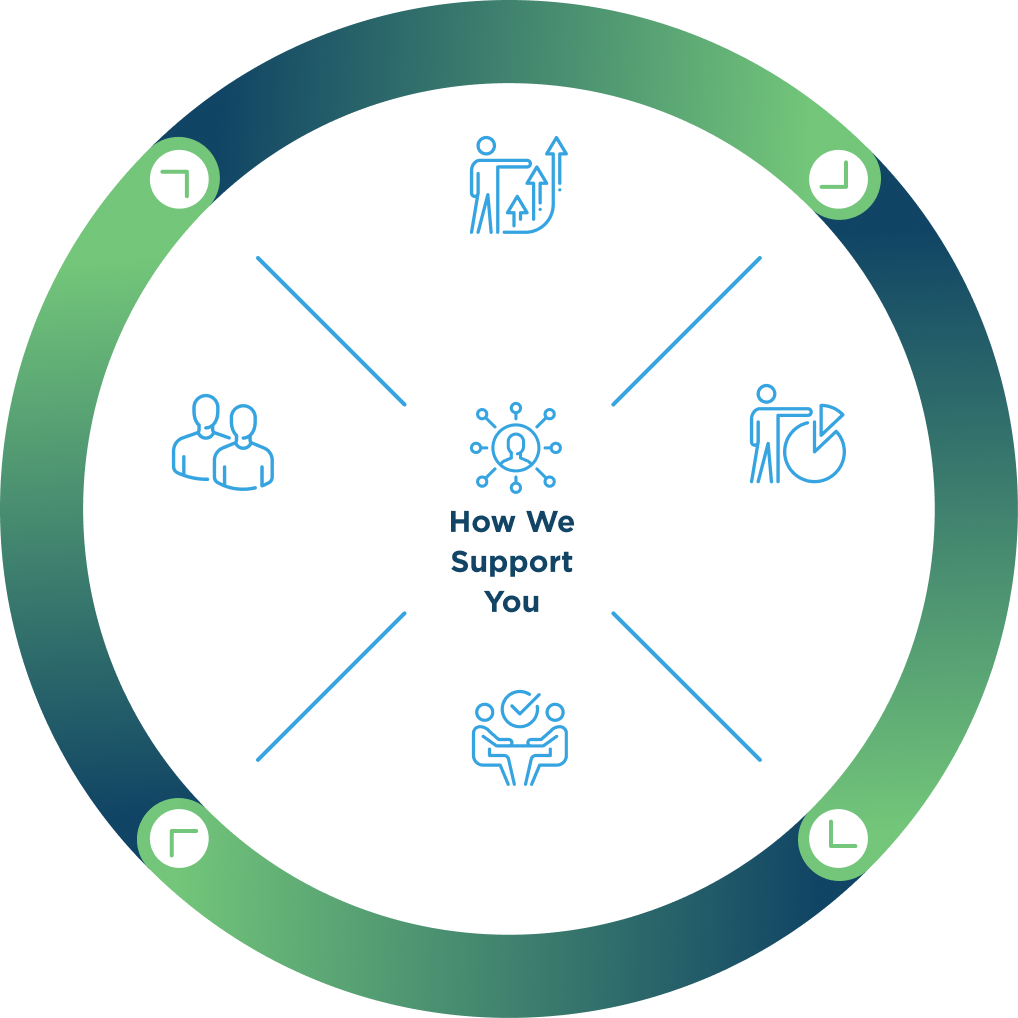
This is where Opal comes in. We sit down with families, ask the hard questions, and build a plan that covers every piece: the finances, the estate, the health wishes, the family conversations. By the time we are done, nothing is left to chance and no one is left guessing.
Many advisors focus primarily on managing investments. At Opal, our work is guided by a structured planning process we call The Opal Way. It is a 7-way integrated process designed to help you make thoughtful decisions across every area of your financial life. We start with your goals and build everything else around them, so every piece of your plan works together.

Your Family Protected. Your Legacy Secured. Your Wishes Honored.
This is what the work is for.
The work you do now is a gift to everyone who loves you. It frees them from the burden of making impossible decisions under pressure. It means your legacy is one of harmony and intention, not confusion and conflict.
But most importantly, it is a gift to yourself. It means you get to live the years ahead knowing everything is in order. No loose ends. No unanswered questions. Just the quiet confidence that the people you love are taken care of and your life’s work will be honored the way you intended.
You are not alone on this path. Your advisor is here to be your partner, every step of the way.
A successful plan for this chapter of life comes down to three things: a unified vision for your legacy, a coordinated team to carry it out, and a commitment to clarity that runs through every decision. That is what OpalGoldenYears is built to deliver.


FREE GUIDE
Download Our Golden Years Guide
Your family roadmap for a secure and dignified future. This complimentary guide walks
families through every conversation that matters, from getting organized and
protecting your estate to knowing what to say and how to say it.


Start the Conversation Today
You deserve to work with advisors who listen first and guide with care.
Ready to make the most of your retirement? Reach out to learn more about our planning process today.
Questions Families Often Ask
When is the right time to start planning?
Before you need to. Families who plan ahead, before a health event, a diagnosis, or a family crisis, have more options, more time, and far less stress. If a parent is aging and the conversation has not happened yet, the right time is before circumstances force it.
My parent is resistant to talking about this. How do we start?
This is one of the most common things families tell us. Often the resistance is not about the money. It is about not wanting to feel like the conversation signals decline or a loss of control. One approach that works well: frame it around the parent’s wishes, not the family’s concerns. Saying you want to make sure you know exactly what they want so you can honor it lands very differently than suggesting it is time to talk about what happens when they cannot manage things anymore. The Golden Years Guide includes a full chapter of conversation starters written for both parents and adult children.
Do both the parent and the adult child need to be involved?
Not at the start. Sometimes a parent comes to us on their own and wants everything organized before bringing the family in. Sometimes an adult child reaches out first. We work with whoever is ready and help structure the family conversation from there, when the time is right and in a way that feels safe for everyone involved.
What is the difference between a will and a trust?
A will outlines your wishes after death and applies to assets solely in your name. It goes through probate, which is the public court-supervised process of distributing an estate. A revocable living trust holds assets during your lifetime and allows them to pass to your heirs outside of probate, more privately and often more efficiently. An irrevocable trust is used for more specific goals, like reducing estate tax exposure or establishing Medicaid eligibility. An estate attorney will help determine the right structure for your situation. This content is educational and not a substitute for personalized legal or financial advice.
Does Medicare cover long-term care?
Generally, no. Medicare covers short-term skilled nursing care after a qualifying hospital stay, but it does not cover long-term custodial care, which is the ongoing daily help with bathing, dressing, and eating that many people need as they age. This is a significant gap that many families do not discover until they are facing it. Planning for it, whether through long-term care insurance, savings, or Medicaid planning, is one of the most important pieces of a complete retirement plan. This content is educational and not a substitute for personalized advice.
What is a beneficiary designation and why does it matter?
Beneficiary designations are the instructions attached to specific accounts, including retirement accounts, life insurance policies, and transfer-on-death brokerage accounts, that tell the financial institution who receives those assets when you die. These designations are legally binding and override what your will says. An outdated designation, such as a former spouse still listed on an old retirement account, can redirect significant assets against everything you intended. Reviewing these is one of the first things we do in any estate review.
How does Opal help families have these conversations?
Most families know they need to have this conversation. What stops them is not knowing how to start, or worrying that bringing it up will create tension rather than clarity.
Our role is to be the neutral presence in the room. When an advisor is leading the conversation, it takes the pressure off any one family member to be the one pushing it forward. Adult children do not have to be the ones raising hard questions with a parent. Parents do not have to feel like their children are taking over. We ask the questions, hold the space, and keep everyone focused on what matters: understanding what the person wants and making sure the plan reflects it.